
In short
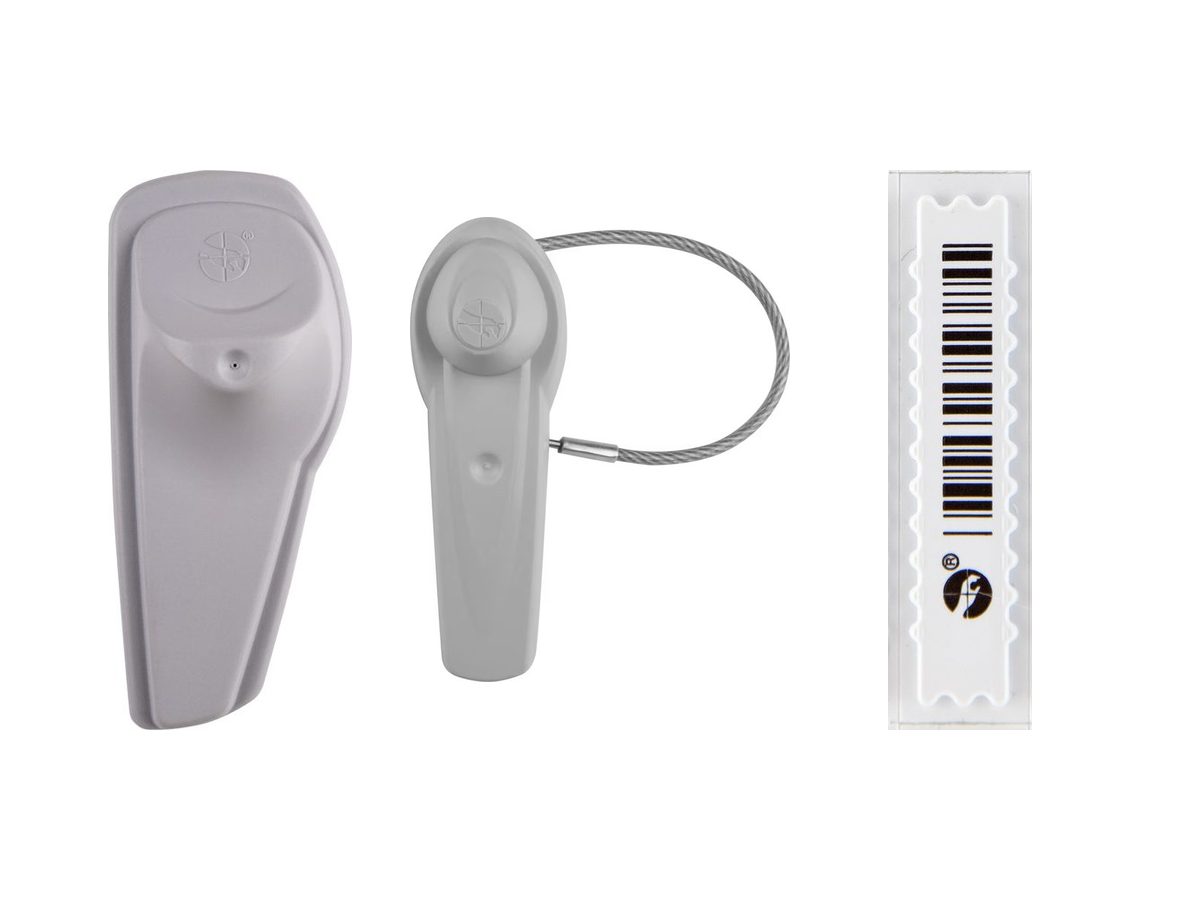
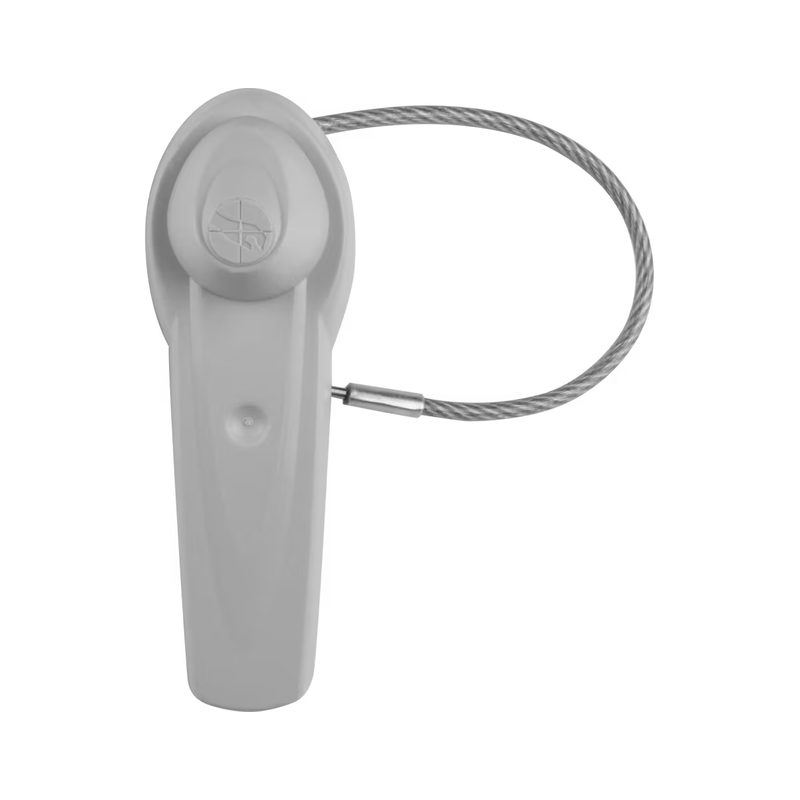
- A hard tag is a reusable plastic tag removed at the checkout with a detacher.
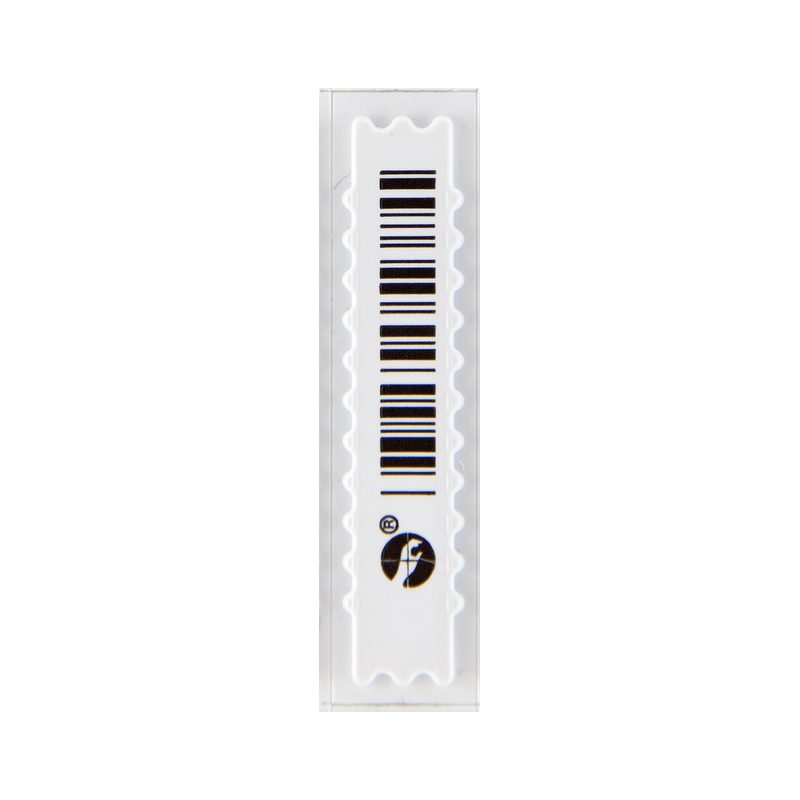
- A soft tag (security label) is single-use: it is stuck on the packaging and deactivated at the checkout.
- Tags must use the same technology as the antennas: AM or RF.
- For special goods there are ink tags, bottle tags, and cable wraps for boxes.
Hard and soft tags
Tags for every kind of product
We supply tags for AM and RF systems and help match them to the antennas you already have.
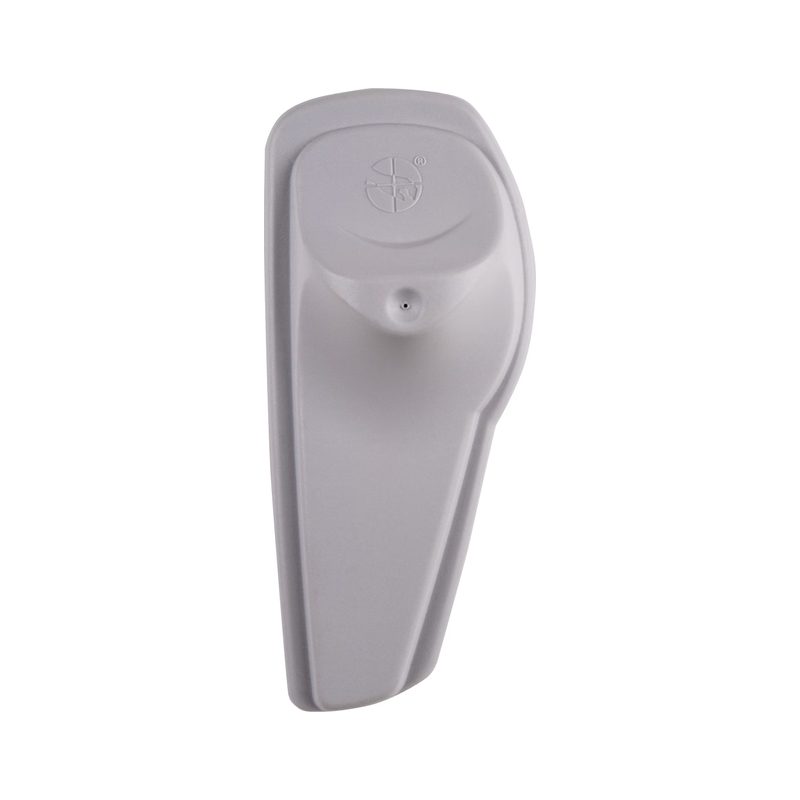
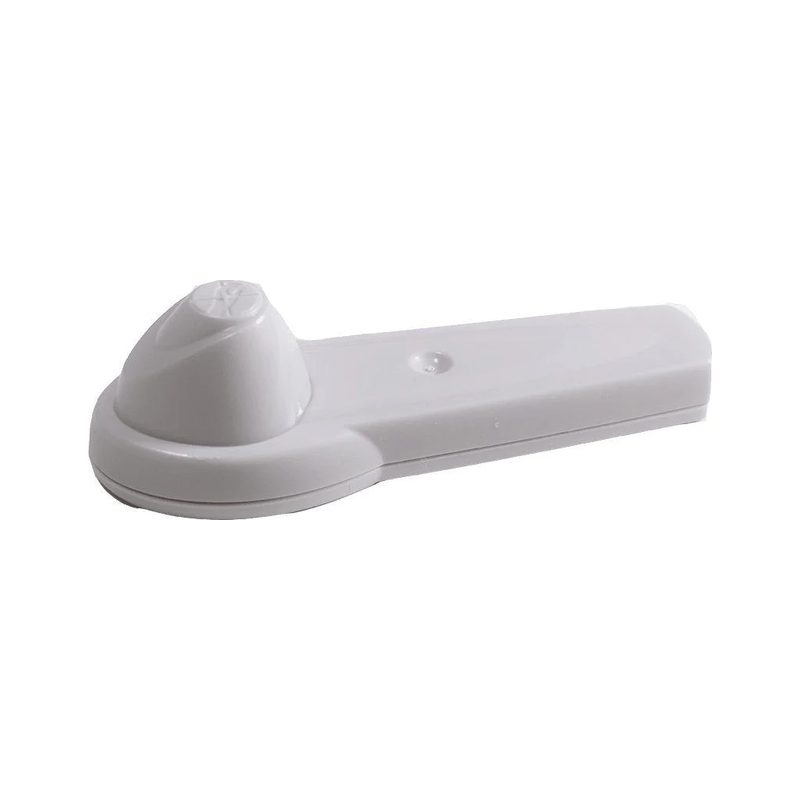
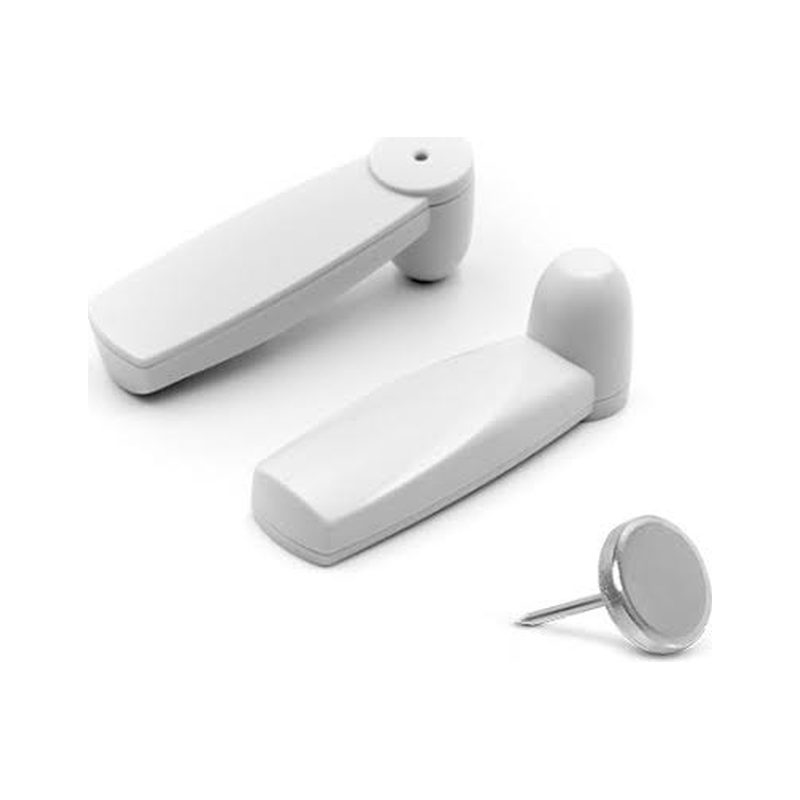
Hard tags
Attached with a pin to clothing, footwear and bags. Reused many times and removed at the checkout with a detacher.
Ink tags
If removed by force, the ink vial breaks and ruins the garment, so stealing it becomes pointless. Also available with EAS protection.
Bottle tags
Caps and collars for wine, spirits and perfume. Removed at the checkout with a key or detacher.
Cable wraps
Wrap boxes and packs of electronics, tools or toys. Some types also alarm on the item itself if someone tries to remove them.
Security labels (soft tags)
Self-adhesive AM or RF labels for cosmetics, food, books and packaged goods. Single-use and deactivated at the checkout.
Source tagging
The manufacturer builds the tag into the product or packaging at the factory, so staff do not have to tag goods. The technology must match your antennas.
How to choose tags for your goods
Start with the goods
Clothing and footwear call for hard tags, packaged goods for labels, and bottles and boxes for dedicated tags.
Match the technology
AM antennas detect only AM tags, and RF antennas only RF tags. When ordering new tags, tell us which system you have.
About EAS antennas →Mind the material
Delicate fabrics take thinner pins or lanyard tags, and labels should not be stuck directly on metal or foil.
Pick a fixed position
Put the tag in the same place on every item: faster for the cashier, harder for a thief.
Hard tag or soft tag?
| Comparison | Hard tag | Soft tag (label) |
|---|---|---|
| Use | Reusable | Single-use |
| At the checkout | Removed with a detacher | Deactivated with a deactivator |
| Typical goods | Clothing, footwear, bags, accessories | Cosmetics, food, books, packaged goods |
| Appearance | Visible, a deterrent in itself | Discreet, can even sit inside the packaging |
| Cost | Higher price per piece, but used many times | Lower price per piece, used up with every item sold |
Many stores use both: hard tags for clothing and labels for cosmetics and accessories.
Questions retailers ask us
What is a hard tag?
A hard tag is a plastic tag attached to clothing, footwear or other goods with a pin or lanyard and removed at the checkout with a detacher. It is reused many times.
What is the difference between a hard tag and a soft tag?
A hard tag is removed from the item and reused, while a soft tag (security label) stays on the packaging and is only deactivated at the checkout. Hard tags are common for clothing and footwear, labels for packaged goods.
Can we use tags from another manufacturer?
Yes, if they use the same technology and frequency as your antennas. Before a larger order we recommend a test on your system.
Do hard tags damage clothing?
Not when attached correctly. The pin passes through the fabric without tearing it, and delicate materials take thinner pins or lanyard tags through a buttonhole, loop or handle.
Where should security labels go?
On a flat area of the packaging or inside it, never over the barcode. Labels should not be stuck directly on metal or foil, as that weakens detection.
What if a cashier forgets to remove a hard tag?
The antenna at the exit will alarm, and the tag is then removed at the checkout. Short cashier training is the best way to prevent this.
How many tags should we order?
It depends on how many items you protect and how quickly they sell. Hard tags go back into use, while labels are used up with every item sold. We help estimate the initial quantity.